
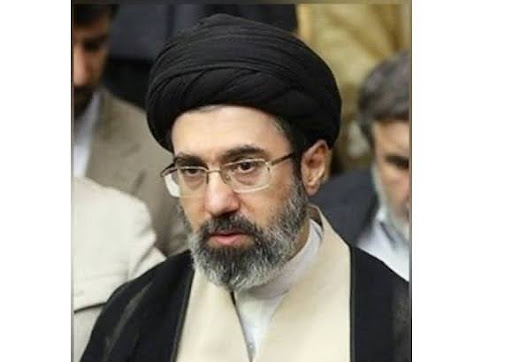
The appointment of Mojtaba Khamenei as Iran’s new supreme leader answers one question while raising several others. The Assembly of Experts’ announcement on Sunday settled the immediate succession crisis created by his father’s assassination. But the larger questions — about the direction of Iranian foreign policy, the future of the conflict with Israel, the sustainability of the regime under military pressure, and the implications of dynastic succession for the republic’s legitimacy — remain entirely open.
Mojtaba, 56, is a conservative cleric who spent his career building influence informally within the regime’s power structures. He was educated in Qom, reportedly served in the Iran-Iraq war, and spent decades managing his father’s inner circle. His deep ties to the IRGC and conservative clergy gave him the institutional backing to win the Assembly’s vote. Whether those same ties position him to make the kind of strategic pivot that Iran’s current situation might eventually require is a very different question.
The institutional response to his appointment was choreographed and swift. The IRGC, armed forces, parliament, and security officials all declared their loyalty. Yemen’s Houthis celebrated. Iranian state media broadcast the full picture of institutional unity. Missiles bearing Mojtaba’s name were shown in military broadcasts. The regime presented a unified front designed to prevent any reading of the transition as a moment of vulnerability.
The military and economic fronts were active simultaneously. Israel launched new strikes on Iranian infrastructure on Monday. Iran struck five Gulf states, killing civilians in Saudi Arabia and damaging Bahrain’s desalination infrastructure. The IRGC threatened oil above $200 per barrel. The United States pledged not to target Iranian energy sites. Trump issued a warning about Mojtaba’s tenure. None of these dynamics appeared to be softening in response to the leadership change.
What happens next in Iran depends on decisions that have not yet been made — by Mojtaba Khamenei, by the IRGC, by Israel, by the United States, and by the region’s governments. The appointment itself was the easy part of the transition. The hard part is governing effectively under conditions of war, economic pressure, and existential challenge. The Islamic Republic’s next chapter will be written in the decisions of the coming weeks.