
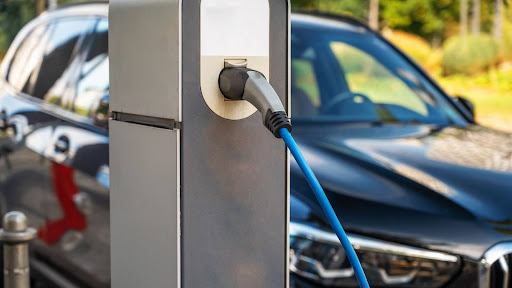
US interest in electric vehicles is rising rapidly — up 20 percent in search activity over three weeks, according to CarEdge, driven by $3.90-per-gallon gasoline generated by the Iran conflict. But a market can only function when supply meets demand, and the current surge in consumer interest is exposing a serious tension on the supply side of the US EV market. With major manufacturers having recently scaled back EV programs and used inventory finite, the question of whether the market can actually deliver the vehicles newly motivated consumers are searching for is both commercially and strategically urgent.
The demand has been generated by Iran’s closure of the Strait of Hormuz following US and Israeli military strikes. That waterway carries roughly one-fifth of global oil supply, and its disruption elevated crude prices and pushed American retail fuel costs to their highest level in nearly three years. The consumer response has been both immediate and genuine, with search activity indicating real purchasing intent rather than casual interest.
The supply side is complicated. Major manufacturers including Ford, Nissan, and Honda have scaled back US EV programs, reducing the new vehicle inventory available to meet renewed demand. The used EV market at sub-$25,000 prices is better stocked than at any previous point — pre-owned Teslas, Chevy Equinox EVs, and Nissan Leafs offer accessible options — but used inventory is finite and will be depleted as demand increases.
CarEdge’s Justin Fischer noted the supply constraint as a significant factor in determining how much of the current demand surge translates into actual market share gains. If motivated buyers search online but cannot find appropriate vehicles at accessible prices, the demand signal will not convert into sales. Edmunds’ Jessica Caldwell agreed, predicting rapid inventory movement in the used EV segment and expressing uncertainty about whether supply would be adequate to meet the demand that continued high gas prices could generate.
The supply side problem is ultimately a strategic consequence of the automaker retreats from EV investment that preceded the current demand surge. Manufacturers that maintained EV commitments — Tesla, and to a lesser extent General Motors — are better positioned to benefit from the current demand signal than those that scaled back. The demand is there; whether the supply side can respond quickly enough to capture it is the commercial question that the Iran conflict’s EV demand surge is forcing into sharp focus.