
Iran’s response to Israel’s strike on the South Pars gas field was notable not just for its occurrence but for its character. Rather than targeting Israeli territory or military assets directly — which would have escalated the conflict in a different and potentially more dangerous direction — Tehran struck energy infrastructure across the Middle East. The choice was strategic: impose broad economic costs on the widest possible set of parties, generate pressure on the Trump-Netanyahu alliance from multiple directions, and avoid a direct military confrontation that Iran’s forces could not win.
The strategy of proportionally broad — rather than proportionally targeted — retaliation reflects Iran’s asymmetric position in the conflict. It cannot match the US-Israel alliance militarily. It can, however, impose economic and diplomatic costs on a wide set of actors — including Gulf states, global energy consumers, and American political constituencies — by targeting regional energy infrastructure. The South Pars response was an exercise in that kind of asymmetric leverage.
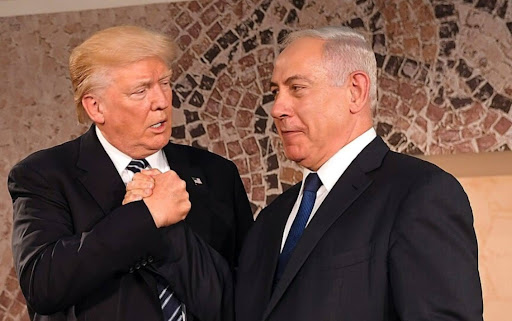
The effectiveness of the strategy was evident in the fallout. Gulf states, whose energy infrastructure and economic stability were affected, immediately pressed Washington for restraint. Trump acknowledged his objection to the original Israeli strike. Netanyahu accepted a narrow limitation. Iran’s broad retaliation had moved the diplomatic needle in ways that a direct military response might not have — by making the consequences of Israeli escalation fall on parties whose relationships with Washington matter.
The choice of proportionality also reflected an Iranian assessment of what the Trump-Netanyahu alliance would and would not absorb. Direct attacks on Israeli or American territory would have triggered a response that Iran could not survive. Attacks on regional energy infrastructure imposed costs without crossing the threshold that would invite a war-ending response. The calibration was deliberate and sophisticated.
Understanding Iran’s retaliation strategy is important for assessing the conflict’s future trajectory. If Israel escalates further — against other high-value economic targets, as its comprehensive degradation strategy implies — Iran’s response will likely follow a similar pattern: broad regional impact, designed to generate maximum political and economic pressure on the alliance’s relationships with third parties.