
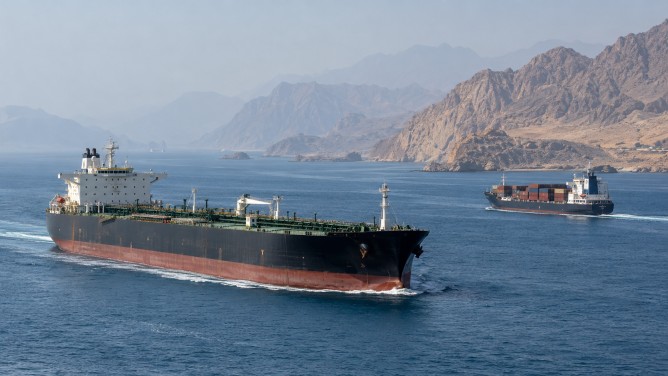
The reopening of the Strait of Hormuz, a vital artery for global oil and liquefied natural gas trade, could be achieved within six days if the United States agrees to Iran’s conditions, according to Iranian Foreign Minister Abbas Araghchi. This potential breakthrough hinges on the U.S. response to Tehran’s demands, which include lifting restrictions on Iranian ports, ending sanctions on its oil exports, and ceasing hostilities in the region.
Despite the optimism surrounding the proposed timeline, significant challenges persist due to disagreements over Iran’s nuclear program. The U.S. insists that any negotiations should immediately address nuclear concerns, particularly uranium enrichment. In contrast, Iran wants initial talks to focus solely on reopening the crucial strait and ensuring its security.
The Strait of Hormuz is strategically significant, with around 20% of the world’s oil and liquefied natural gas passing through it before the current conflict. Any prolonged closure could have severe repercussions on global energy supplies and fuel prices.
Iranian Defense Minister Mehrdad Akhlaghi has issued a stern warning against renewed U.S. military actions, highlighting Tehran’s preparedness to retaliate, which could severely impact the U.S. and its regional allies. This underscores the fragile state of relations and the high stakes involved in the negotiations.
As the situation stands, the prospects for a diplomatic resolution remain uncertain. Washington and Tehran are still at odds over the conditions necessary to de-escalate tensions, casting doubt on the feasibility of quickly reopening the Strait of Hormuz. The international community watches closely, aware of the potential global ramifications should the conflict persist.