
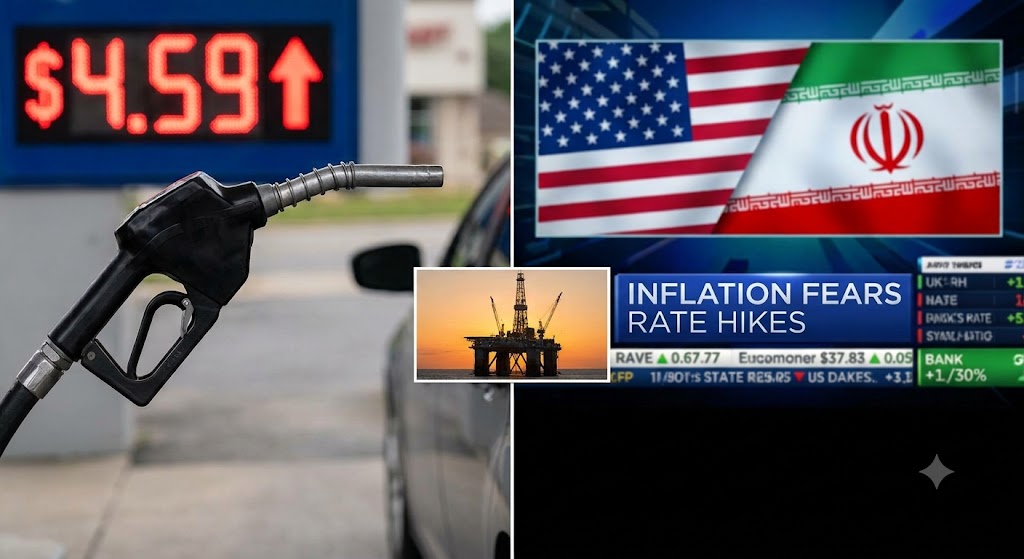
The recent escalation of military tensions between the United States and Iran has sent ripples through global energy markets, with oil and gas prices experiencing a notable uptick. Brent crude saw a temporary surge, hitting its highest point in over a month, as the conflict sparked fears about potential disruptions to energy supplies, which could, in turn, fuel inflation. However, the market experienced some relief after US President Donald Trump retracted a proposal to levy a 20% fee on ships navigating the critical Strait of Hormuz.
This rise in energy costs has heightened speculation that central banks around the world, such as the Bank of England and the European Central Bank, might consider raising interest rates later this year to combat inflationary pressures. The initial market reaction included an increase in bond yields and a decline in European stock markets, though stocks rebounded once concerns over the shipping levy subsided.
Analysts are closely monitoring the situation, noting that ongoing instability in the Middle East could maintain the volatility in energy markets. Such volatility has the potential to significantly impact global inflation rates and the monetary policy decisions of central banks in the months ahead.