
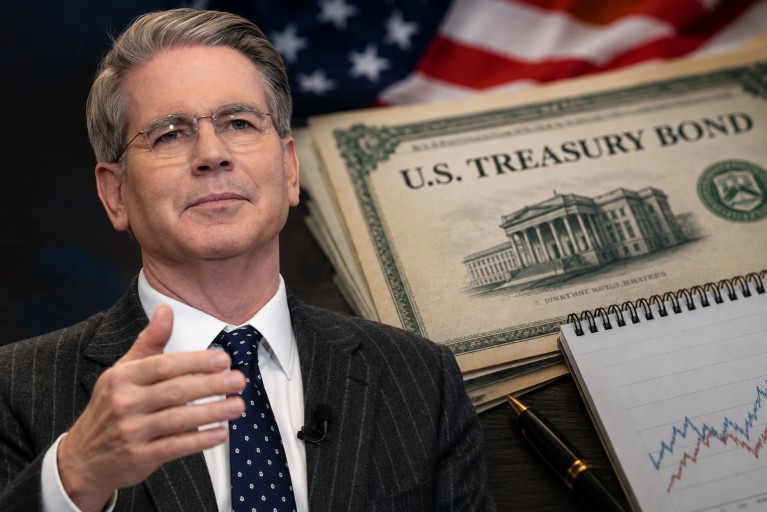
Stanley Druckenmiller, a prominent billionaire investor, has expressed doubt over US Treasury Secretary Scott Bessent’s strategy to manage long-term bond yields via enhanced government debt buybacks. Druckenmiller believes that these efforts are unlikely to yield the desired outcomes and advises a shift in focus towards reducing the country’s budget deficit. According to him, implementing lasting fiscal reforms would be a more effective approach to lowering the costs associated with long-term borrowing.
His critique comes in the wake of the Treasury Department’s decision to double the cap on its bond buyback operations, increasing it from $2 billion to $4 billion. Initially, this policy action resulted in a reduction in long-term yields. However, the decrease was temporary, highlighting the limitations of such measures in exerting sustained influence over bond prices.
The backdrop to this criticism is the mounting US national debt, which has soared to $40 trillion, alongside an annual deficit that is projected to remain substantial. Druckenmiller’s message to Washington is clear: instead of trying to manipulate bond prices through increased buybacks, the government should prioritize credible fiscal policies that directly address the issue of rising borrowing costs.
As the Treasury seeks ways to manage the national debt, Druckenmiller’s warning underscores the importance of tackling the root causes of fiscal instability. His call for sustainable reforms suggests that without addressing the underlying budgetary challenges, attempts to control bond yields may prove futile in the long run.