
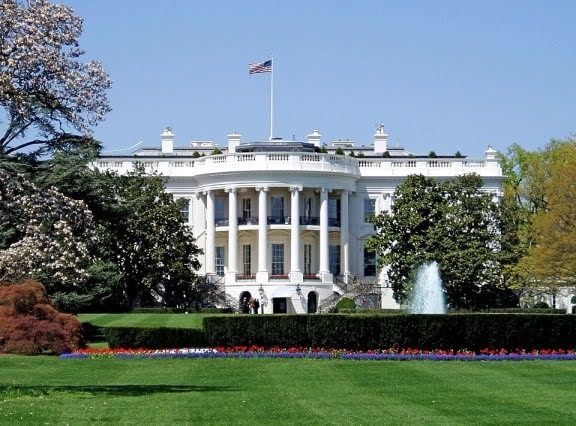
A recent initiative from the White House has stirred apprehension within the academic and nonprofit sectors by proposing tighter control over federal grants. This proposal mandates that all federally funded grants align with the president’s policy objectives and substantiate their adherence to what the administration terms as “American values.” Advocates of the plan argue that prior funding initiatives have backed ideological agendas that do not align with the majority of Americans, resulting in what they consider an inefficient allocation of taxpayer resources. Should these rules be enacted, political appointees would gain expanded authority to scrutinize, amend, or terminate grants that are found to conflict with national interests.
Opponents of the proposal express concern that the traditional peer-review system, which is central to evaluating scientific and academic research proposals, may be undermined. There is a fear among researchers that funding decisions could become swayed by political factors, which may negatively impact studies focusing on diversity, equity, gender issues, and other sensitive subjects. This apprehension extends to the potential restrictions on federal funding for certain activities, such as international collaborations and research on discriminatory impacts affecting protected groups. Additionally, grant recipients might have to meet more stringent reporting requirements, including the submission of long-term plans for their conferences and research endeavors.
Many within the scientific community and higher education leadership warn that these proposed changes could impede innovation, restrict academic freedom, and diminish the United States’ competitive edge in global research. Despite these concerns, supporters of the proposal argue that the reforms are necessary to ensure that federal funds are allocated in a manner that better aligns with national priorities and serves the public interest. They believe that this alignment will lead to a more effective use of taxpayer dollars.
The proposal is currently in the midst of the federal rule-making process, a critical stage before any implementation can occur. If the proposal successfully navigates this process and is finalized, it could be put into effect later this year. As the debate continues, stakeholders from both sides remain engaged, each advocating for their vision of how federal funding should be managed in the future.