
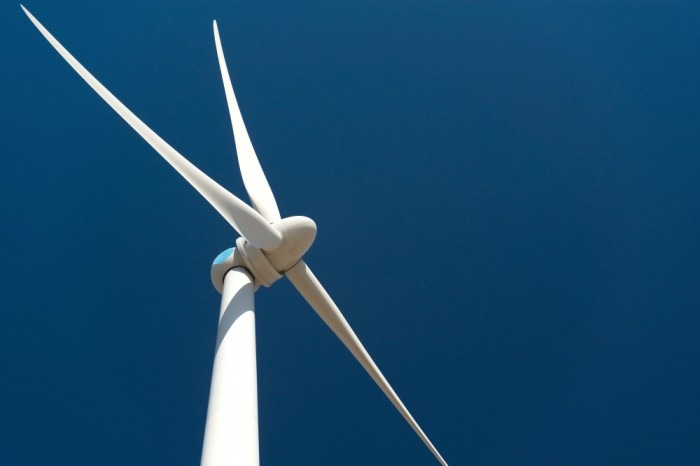
In a significant legal move, six U.S. states have launched a lawsuit against the Trump administration, challenging the cancellation of a substantial offshore wind energy lease near New York. Spearheaded by Letitia James, the suit contends that the administration’s decision to terminate planned offshore wind projects in collaboration with TotalEnergies was both unlawful and an overreach of federal authority.
The contested agreement, disclosed in March, involved the federal government agreeing to a payout close to $1 billion to TotalEnergies. This was in exchange for the company abandoning its plans to establish two offshore wind farms along the coasts of New York and North Carolina. Furthermore, TotalEnergies committed to not pursuing any new offshore wind projects within the United States, choosing instead to focus on oil and gas investments.
Joining this legal challenge are the attorneys general from Connecticut, Maine, Massachusetts, New Jersey, Rhode Island, and Vermont. Together, they argue that the agreement breaches federal laws that regulate offshore energy leases and the allocation of public funds. The plaintiffs assert that the abrupt cancellation poses a threat to clean energy progress, the creation of union jobs, and efforts to broaden access to affordable renewable electricity. Their legal goal is to have the court nullify the agreement, reinstate the offshore wind lease, and halt further execution of the deal.
In defense, the administration has justified its actions by pointing out the high costs, unreliability, and dependency on government subsidies associated with offshore wind projects. Federal officials have framed the agreement as part of a comprehensive strategy to prioritize conventional energy sources and bolster domestic energy security. However, proponents of offshore wind energy counter that renewable projects contribute to lowering long-term electricity costs, generating jobs, and diminishing reliance on fossil fuels.
This lawsuit is poised to become a pivotal legal confrontation in the realm of U.S. energy policy, underscoring the persistent conflict between states advocating for renewable energy and federal initiatives aimed at expanding traditional energy production. As the case unfolds, it highlights the broader debate over the future of energy development in the United States.