
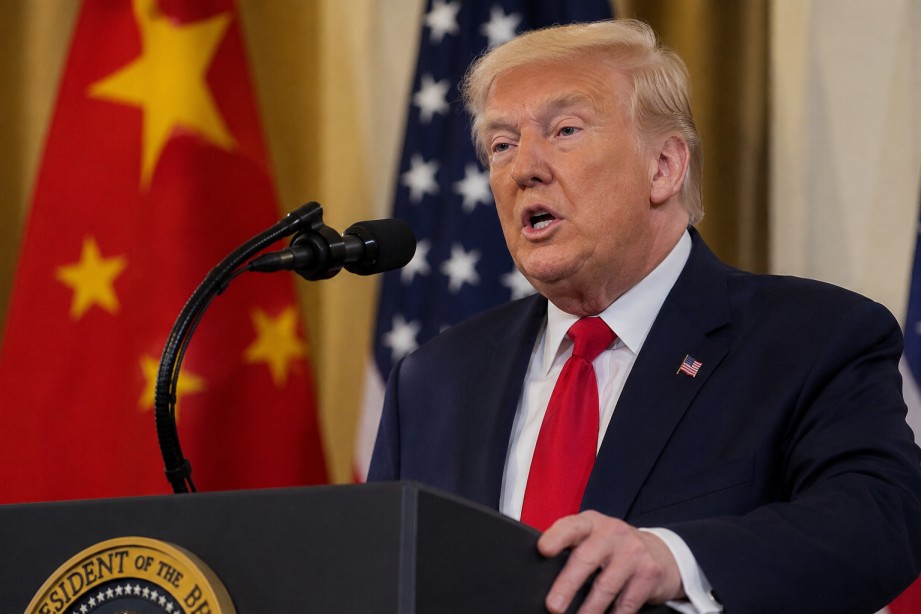
In a recent televised speech, former US President Donald Trump reiterated claims that China had interfered in the 2020 US presidential election. Asserting that there were undisclosed vulnerabilities in election security, he announced the declassification of intelligence documents and instructed federal agencies to scrutinize the issue. Trump specifically called on the Department of Justice, FBI, CIA, and the Office of the Director of National Intelligence to re-examine how intelligence related to the election was managed.
Trump’s allegations centered around a perceived lack of public trust in the US electoral system. In light of these concerns, he urged Congress to enact more stringent voter identification laws. His comments drew immediate rebuttals from Democratic leaders, who dismissed the allegations. They pointed out that extensive investigations, audits, and court decisions had consistently found no evidence of foreign interference affecting the election’s outcome.
Critics of Trump suggested that his claims were aimed at undermining public confidence in the electoral process ahead of the midterm elections. The former president’s assertions have been viewed by some as an attempt to sway political sentiment and question the integrity of the electoral system.
China, on its part, firmly denied the allegations, maintaining its longstanding stance of non-involvement in the internal matters of other nations. This position was supported by a 2021 US intelligence assessment, which concluded that no foreign power, including China, had manipulated the technical elements of the 2020 US voting process.