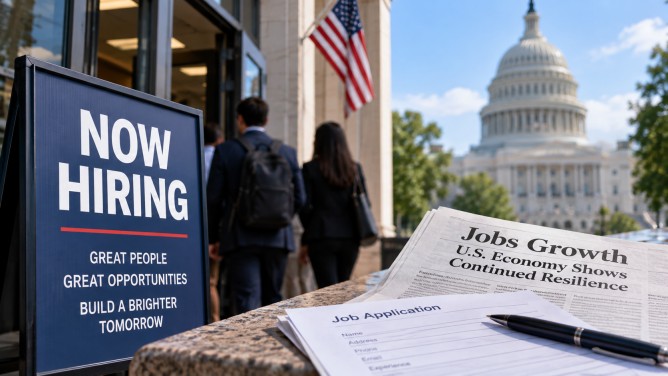
In August, the U.S. economy saw a boost with the addition of 162,000 jobs, marking a noticeable improvement following a sluggish period for the labor market. Despite this growth, the unemployment rate held steady at 4.1%. The pattern of job growth has been quite erratic over the past few months. Back in March, the economy added 214,000 jobs, but this was followed by a significant slowdown to just 21,000 in July. Although August’s job increase surpassed economists’ expectations, which had anticipated at least 50,000 new positions, it still reflected cautious optimism.
Revised figures for earlier months provided a slightly brighter picture. For instance, June’s job growth was adjusted upward from 20,000 to 31,000, and July’s initially reported loss of 23,000 jobs was corrected to a gain of 21,000. Despite these revisions, signs of a decelerating labor market persist. The private sector managed to add only 38,000 jobs in August, a signal that businesses are hesitant about hiring in large numbers.
Economists have dubbed the current labor situation a “slow hire, slow fire” environment, where companies are neither rushing to expand their workforce nor engaging in widespread layoffs. Job openings and layoffs remained largely unchanged in July, while the rate of workers voluntarily leaving their jobs showed little movement. This suggests a dip in employee confidence regarding new job prospects.
The labor market’s challenges are compounded by ongoing inflationary pressures. Inflation in the U.S. climbed from 2.4% in February to 3.4% in July, placing an extra financial burden on households due to rising prices. Additionally, increasing bond yields have sparked worries about the cost of borrowing. Higher yields on Treasury bonds can lead to more expensive mortgages, car loans, and student debt, further straining consumers financially.
The Federal Reserve faces a delicate task of balancing inflation control with supporting employment. While raising interest rates might help bring inflation closer to its 2% target, such measures could also dampen an already slowing job market. Amidst these concerns, President Donald Trump continues to advocate for lower interest rates, asserting that cheaper borrowing could bolster the U.S. economy.