
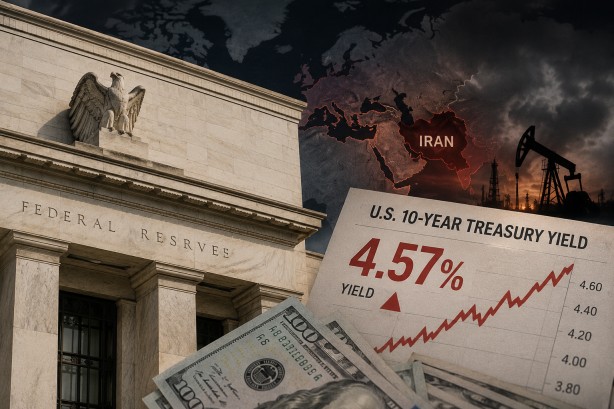
The cost of borrowing for the US government has surged to levels not seen since 2007, following the Federal Reserve’s decision to maintain its current interest rate. This move was influenced by ongoing concerns about inflation, which have been troubling economic analysts. The Fed’s stance has rattled investors, causing significant drops across major US stock indexes as they grapple with the potential implications of sustained inflation.
Heightening the volatility in financial markets is the escalation of geopolitical tensions in the Middle East. The United States conducted new military strikes against Iranian targets in response to attacks on American forces stationed in Jordan. This development has contributed to a spike in oil prices, with Brent crude surpassing $88 a barrel, fueling anxieties about rising energy costs and their potential to exacerbate global inflation.
These developments have combined to create a challenging environment for investors. The persistent threat of elevated interest rates, coupled with geopolitical instability and climbing oil prices, has intensified pressure on financial markets. Analysts warn that these factors collectively cast a shadow over the global economic outlook, raising fears of potential economic disruptions.
The interplay between financial market dynamics and geopolitical events highlights the complexity of the current economic landscape. As investors navigate through these uncertainties, the potential for broader economic consequences remains a cause for concern. With borrowing costs at a 16-year high and energy prices on the rise, the implications for both domestic and international markets are closely monitored by market participants and policymakers alike.