
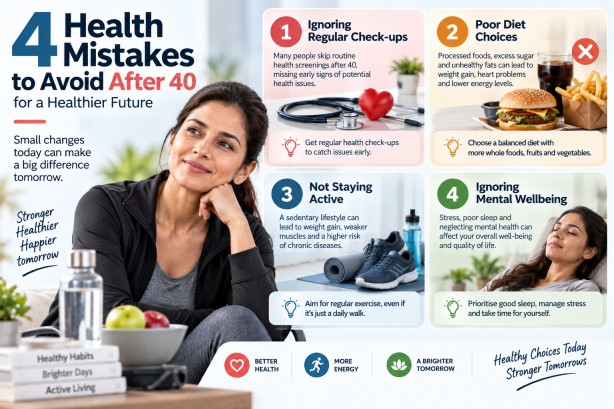
Reaching the age of 40 often prompts individuals to reassess their health routines. As changes in metabolism, muscle mass, and lifestyle demands occur, maintaining healthy habits can become more challenging. Proactively developing sustainable health practices and adhering to preventive care routines can significantly impact long-term wellness. Here are several common pitfalls to steer clear of after crossing the 40-year threshold.
First, extreme or fad diets, while often tempting with promises of quick weight loss, can be unsustainable and nutritionally imbalanced. These diets might involve eliminating entire food groups, which can lead to deficiencies in essential nutrients such as protein, fiber, vitamins, and minerals. A more beneficial approach involves adopting a balanced diet that incorporates a variety of vegetables, fruits, whole grains, proteins, and healthy fats. Unlike short-term dietary restrictions, these sustainable changes contribute to ongoing health.
Another crucial aspect is avoiding a sedentary lifestyle. Busy careers and extended periods of sitting can diminish daily physical activity levels, which are vital for maintaining muscle strength as one ages. Incorporating regular exercise into your routine is key, blending aerobic activities like walking with strength training exercises. Simple actions, such as taking brief movement breaks during the workday or opting for stairs, can help counteract the effects of prolonged inactivity.
Moreover, it is important not to overlook recommended health screenings. Even if you feel healthy, some medical conditions can develop silently without obvious symptoms. Age-appropriate and risk-based screenings for conditions like certain cancers, high blood pressure, diabetes, and high cholesterol are essential. Discussing with your healthcare provider the specific tests and their frequency based on your age, sex, family history, and personal risk factors will ensure a tailored approach to preventive care.
Finally, the belief that it’s too late to make health changes can be a major barrier. Contrary to this belief, positive lifestyle adjustments can be beneficial at any age. Setting achievable goals, such as regular walking, improving dietary habits, prioritizing sleep, reducing tobacco or alcohol consumption, and starting strength training, can foster healthier routines. Consistency in making small, manageable modifications is more effective for long-term habit formation than attempting an overnight lifestyle overhaul. Embracing your 40s as a chance to enhance health practices can help you thrive for years to come, focusing on balanced nutrition, active living, sufficient rest, and regular health check-ups.