
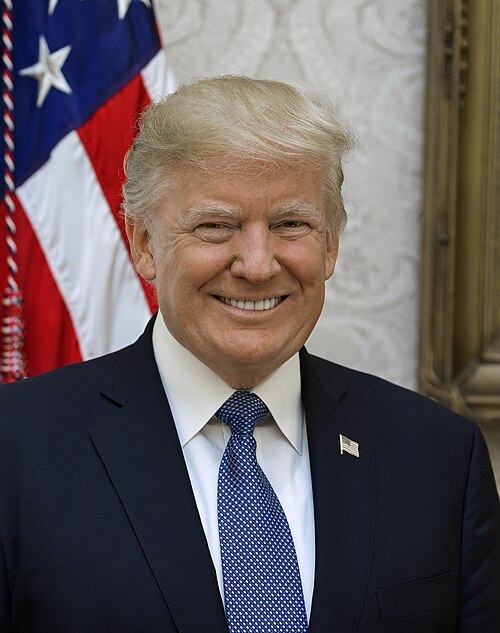
Amid escalating tensions, President Donald Trump has labeled the ceasefire with Iran as being on “life support” and is contemplating resuming U.S. Navy escorts for ships navigating the strategic Strait of Hormuz. This move aims to counter Iran’s blockade of the crucial maritime passage. Trump has dismissed Iran’s recent peace offerings as ineffective, asserting that he is not facing any internal pressure to forge a deal.
The ceasefire, which has been in effect since April 7, was criticized by Trump, who likened it to a dire medical condition with slim chances of survival. “I would call it the weakest, right now, after reading that piece of garbage they sent us – I didn’t even finish reading it,” Trump remarked. He further elaborated that the ceasefire is precariously close to failure, comparing it to a patient with a mere “1% chance of living.”
In a recent development, the U.S. presented Iran with a list of conditions aimed at de-escalating the conflict, primarily focusing on curbing Tehran’s nuclear ambitions. However, Iran’s counter-proposals were swiftly rejected by Trump. Earlier, the U.S. had initiated Project Freedom, a mission to escort oil tankers through the strait, but it was abruptly halted after just two days to allow Iran time to respond to the U.S. proposals. The plan faced opposition from Saudi Arabia, which refused to support the initiative, viewing it as potentially inflammatory.
The situation intensified following a surge in oil prices, prompted by Iran’s declaration that further negotiations would be contingent on accepting its terms for ending the Strait of Hormuz blockade. Maj Gen Mohammad Ali Jafari, a former commander of the Islamic Revolutionary Guard Corps, stated that without the cessation of hostilities, the lifting of sanctions, the release of blocked funds, compensation for war damages, and acknowledgment of Iran’s sovereignty over the strait, no further discussions would occur.