
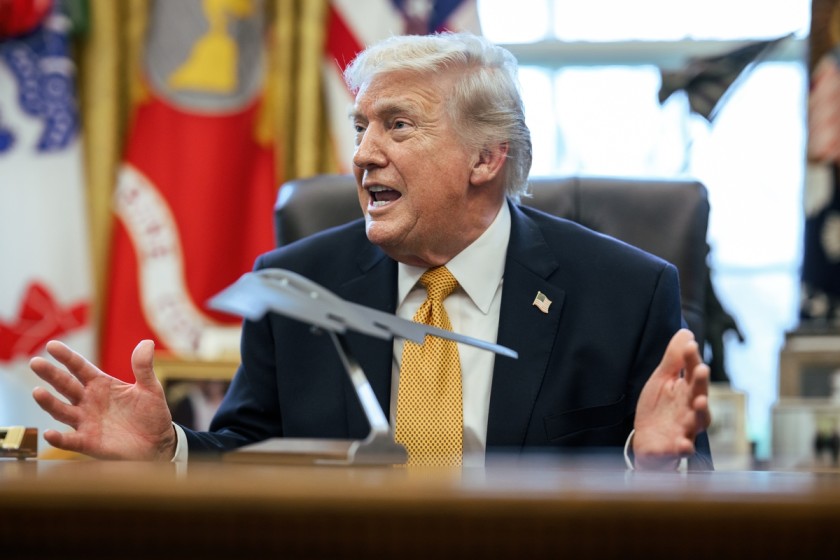
The United States Supreme Court has dealt a blow to former President Donald Trump by rejecting his attempt to restrict birthright citizenship. This decision comes after Trump issued an executive order aimed at preventing automatic citizenship for certain children born on American soil. In a 6-3 ruling, the court affirmed a lower court’s decision that blocked the order from being implemented.
Trump’s executive order was a part of his wider immigration policy, which sought to deny citizenship to children born in the U.S. if their parents were neither U.S. citizens nor permanent residents. This move faced significant opposition, with critics arguing that it contradicted the 14th Amendment’s Citizenship Clause. The Supreme Court’s decision reinforces the prevailing understanding that the majority of individuals born in the United States are entitled to citizenship, with few exceptions.
Following the court’s ruling, Trump expressed his willingness to back legislative efforts in Congress to modify the current birthright citizenship laws. He contended that such changes could be made without necessitating a constitutional amendment. However, any attempt to make significant alterations to this system would likely encounter substantial political and legal hurdles.
The crux of the legal argument revolved around the interpretation of the phrase “subject to the jurisdiction” within the 14th Amendment. The court’s decision confirmed the traditional interpretation that children born in the U.S. are protected under the Constitution’s provision for birthright citizenship. This verdict marks another significant barrier for Trump’s policy ambitions, as the court has previously dismissed other major components of his agenda.