
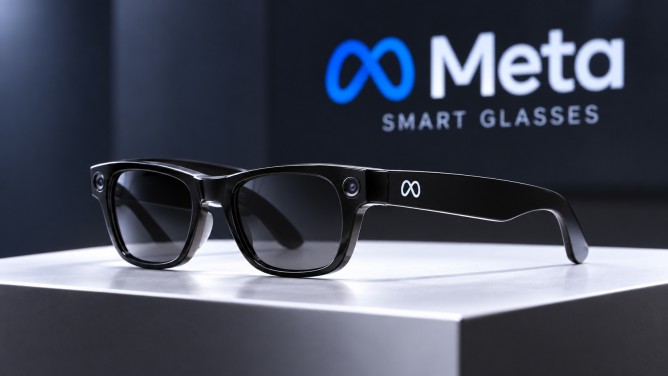
As the use of Meta’s smart glasses becomes more widespread, law enforcement agencies in the United States are expressing heightened concern over the potential misuse of these devices to covertly record sensitive areas and operations. The glasses, which can easily be mistaken for regular eyewear like those from Ray-Ban or Oakley, pose a risk of capturing video within restricted zones without arousing suspicion. This has alarmed agencies nationwide, who fear that the technology may compromise the security of their operations.
Documents from various law enforcement bodies reveal a common worry: that these camera-equipped glasses might be used to document secure locations such as detention centers, capturing crucial details like cell layouts, camera placements, and the movements of security personnel. The New York Police Department’s counter-terrorism unit has already advised officers about the risk of these glasses being used to gather sensitive information inside such facilities. This warning came after videos surfaced online, depicting individuals recording within a detention center without the awareness of those being filmed.
Similar alerts have been issued by authorities in Maine and other states. There is also concern about the glasses’ potential to leverage artificial intelligence capabilities, including facial recognition, to identify officers and access publicly available data about them. Federal responses have included the designation of smart glasses as body-worn cameras by US Immigration and Customs Enforcement, which has prohibited their use by employees in federal settings due to the risk of inadvertently capturing or transmitting sensitive information.
Beyond concerns about privacy and security within sensitive areas, there is also anxiety that these smart glasses might be used for planning crimes or terrorist activities. Past incidents, such as an attack in New Orleans, have been cited in warnings, suggesting perpetrators might have used the glasses to survey targets beforehand. Despite these concerns, Meta insists that the glasses are equipped with a white LED light that signals when recording is in progress and argues that similar recordings could be made using more conventional devices, such as smartphones.
The debate surrounding the use of AI-driven surveillance technology like Meta’s smart glasses touches on broader issues related to privacy and the public’s right to document law enforcement activities. Privacy advocates assert that surveillance tools should not be the exclusive domain of authorities, and emphasize the importance of maintaining the public’s ability to record official conduct. This ongoing discussion highlights the delicate balance between technological advancement, privacy rights, and security concerns.