
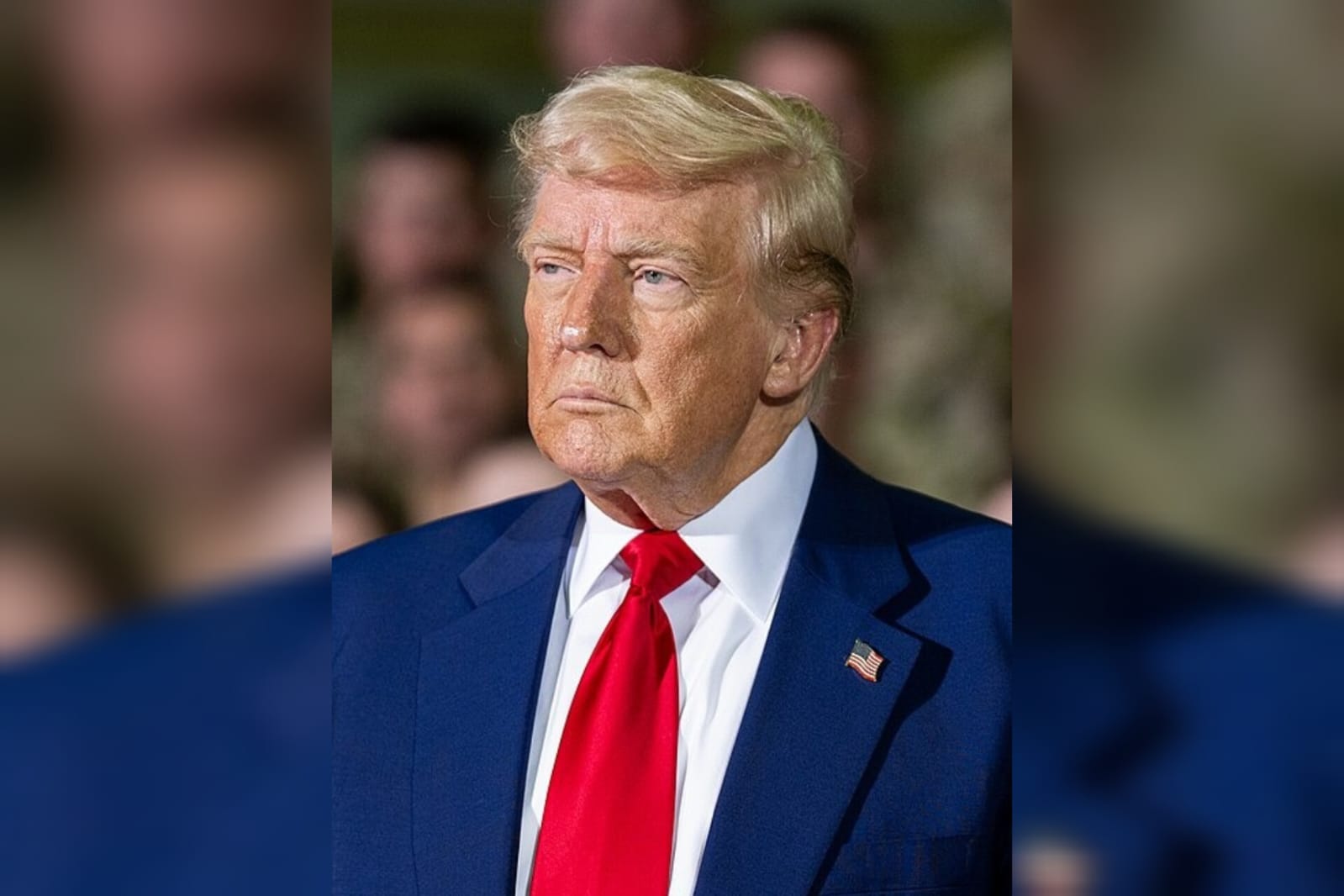
The recent memorandum of understanding signed by U.S. President Donald Trump and Iran has sparked a spectrum of responses globally. While some international leaders view it as a positive step toward easing tensions, critics are concerned it allows Iran significant leeway without concrete assurances on curbing its nuclear program. Among the supporters, Pakistan’s Prime Minister Shehbaz Sharif lauded the agreement, emphasizing the importance of diplomacy in reopening the Strait of Hormuz and in facilitating renewed discussions between Washington and Tehran. Leaders from the G7 countries have also expressed their approval, considering the agreement a crucial chance to halt Iran’s nuclear weapon development and to stabilize global energy markets.
The agreement stipulates that Iran will reopen the crucial Strait of Hormuz, a vital waterway for global oil shipments, while the United States commits to easing certain sanctions targeting Iranian oil exports, petroleum products, and related banking services. During the next two months, both nations are expected to engage in negotiations concerning Iran’s nuclear agenda and its stockpile of highly enriched uranium. This development has sparked significant debate, particularly in Israel, where many political leaders and former officials fear that reducing economic pressure could empower Iran without imposing significant constraints on its nuclear activities. Furthermore, opposition figures in Israel have expressed discontent, claiming their government was excluded from the negotiation process, with analysts cautioning that the deal might escalate security challenges for the country.
In the United States, opinions are similarly divided. Some Republican lawmakers have cautiously endorsed the diplomatic efforts, highlighting the reopening of the Strait of Hormuz and decreased hostilities as favorable outcomes of the agreement. However, there is also criticism from other Republicans and several Democratic leaders, who argue that the deal offers Iran economic advantages with only vague commitments regarding its nuclear program. President Trump has characterized the agreement as a significant triumph for the United States, whereas Iranian officials have touted it as proof of the effectiveness of their negotiation strategy.