
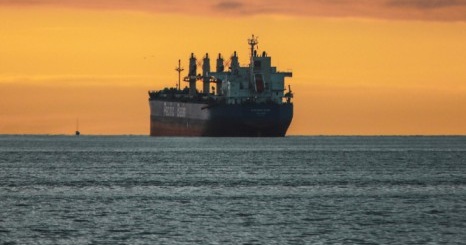
On Friday, global oil prices witnessed a notable drop following remarks by US President Donald Trump, who hinted at an imminent peace deal with Iran. This prospect raised the possibility of reduced tensions in the Strait of Hormuz, a vital corridor for oil and gas shipments. During the day’s trading, Brent crude saw a dip below $85 per barrel, a decrease from approximately $93 at the week’s start. Prices later found a range between $87 and $89 as markets processed mixed messages coming from both Washington and Tehran.
The initial price decline was fueled by optimism that a potential agreement might lead to the reopening of the Strait of Hormuz, a key passage for global energy exports. However, this optimism was tempered as oil prices partially rebounded amid renewed uncertainty. Both the United States and Iran issued statements that clouded the clarity of the negotiations’ progress. President Trump remarked that military action against Iran had been halted due to developments in the talks, yet he dispelled rumors of a finalized agreement. Meanwhile, Iranian officials confirmed ongoing discussions but clarified that no definitive deal had been reached.
Market analysts point out that oil prices are highly reactive to geopolitical developments, with significant fluctuations prompted by news of potential conflicts or diplomatic resolutions. This sensitivity was evident as the market swung in response to the latest updates from the US and Iran. The volatility underscores the delicate balance in global oil markets, which are influenced by both political dynamics and evolving supply-demand conditions.
Despite the recent fluctuations, certain financial institutions anticipate a potential stabilization of oil prices in the coming period. This outlook hinges on the improvement of global supply conditions and the rebuilding of stockpiles. However, the forecasts remain tentative, with ongoing geopolitical tensions and variable demand posing continual risks to market stability.